
Turf Toe
A painful big toe can sideline a promising season or interrupt your daily workout. Turf toe deserves attention, and you shouldn’t be pressured to keep playing through the pain. For active teens, college athletes, and adults throughout Morris County, being able to spot the symptoms early can help you take the next step toward appropriate care and faster recovery.
What Is Turf Toe?
Turf toe is a sprain of the big toe joint, where the big toe meets the foot (the metatarsophalangeal joint). It happens when the big toe bends upward too far, stretching or tearing the ligaments and the plantar plate, a thick band of tissue beneath the joint that keeps it stable.
The injury got its name from football players on artificial turf, but it can happen on any surface. Contributing factors may include:
Playing on artificial turf or other firm surfaces
Flexible or lightweight cleats and shoes
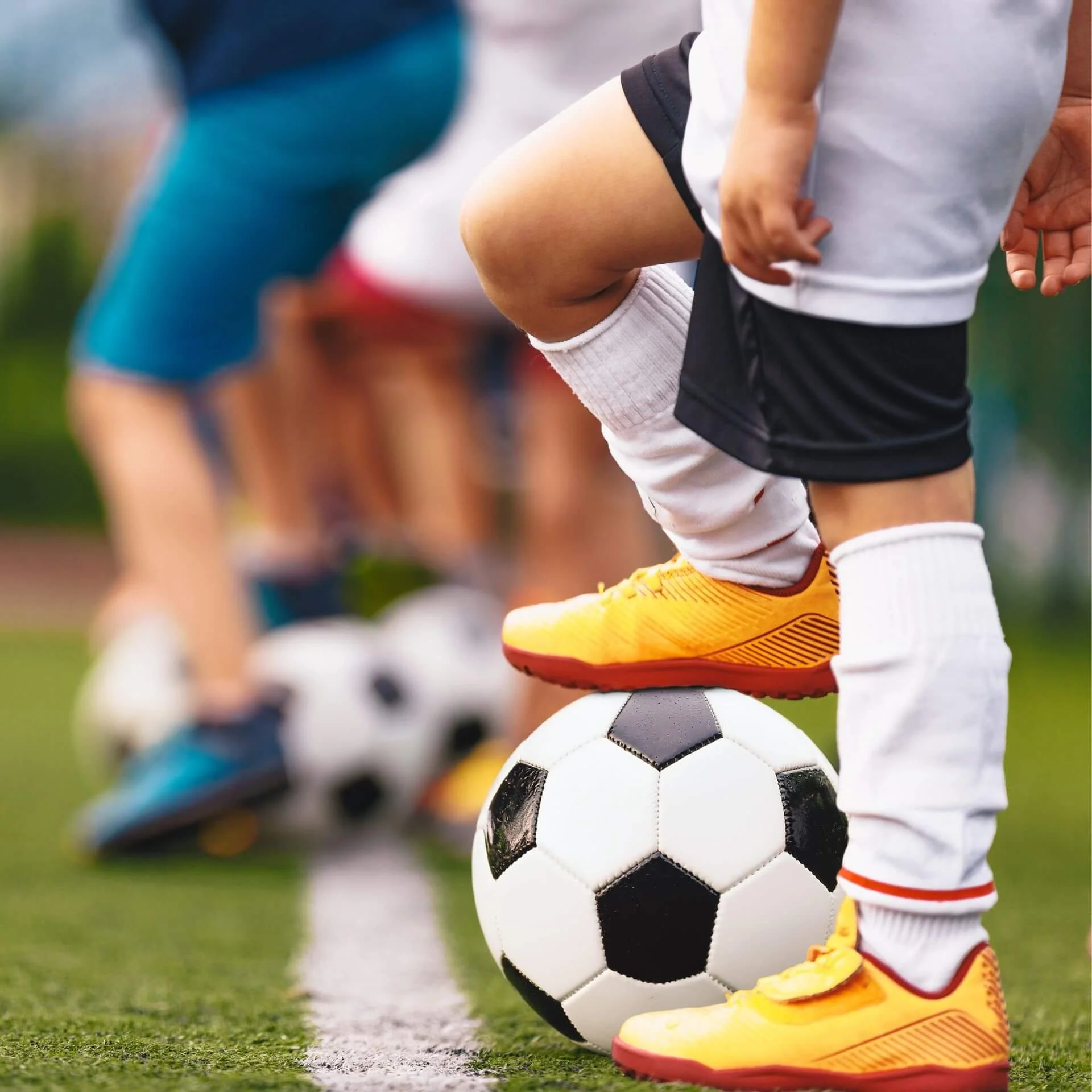
Sports with sprinting, jumping, and quick push-offs, such as football, soccer, basketball, and lacrosse
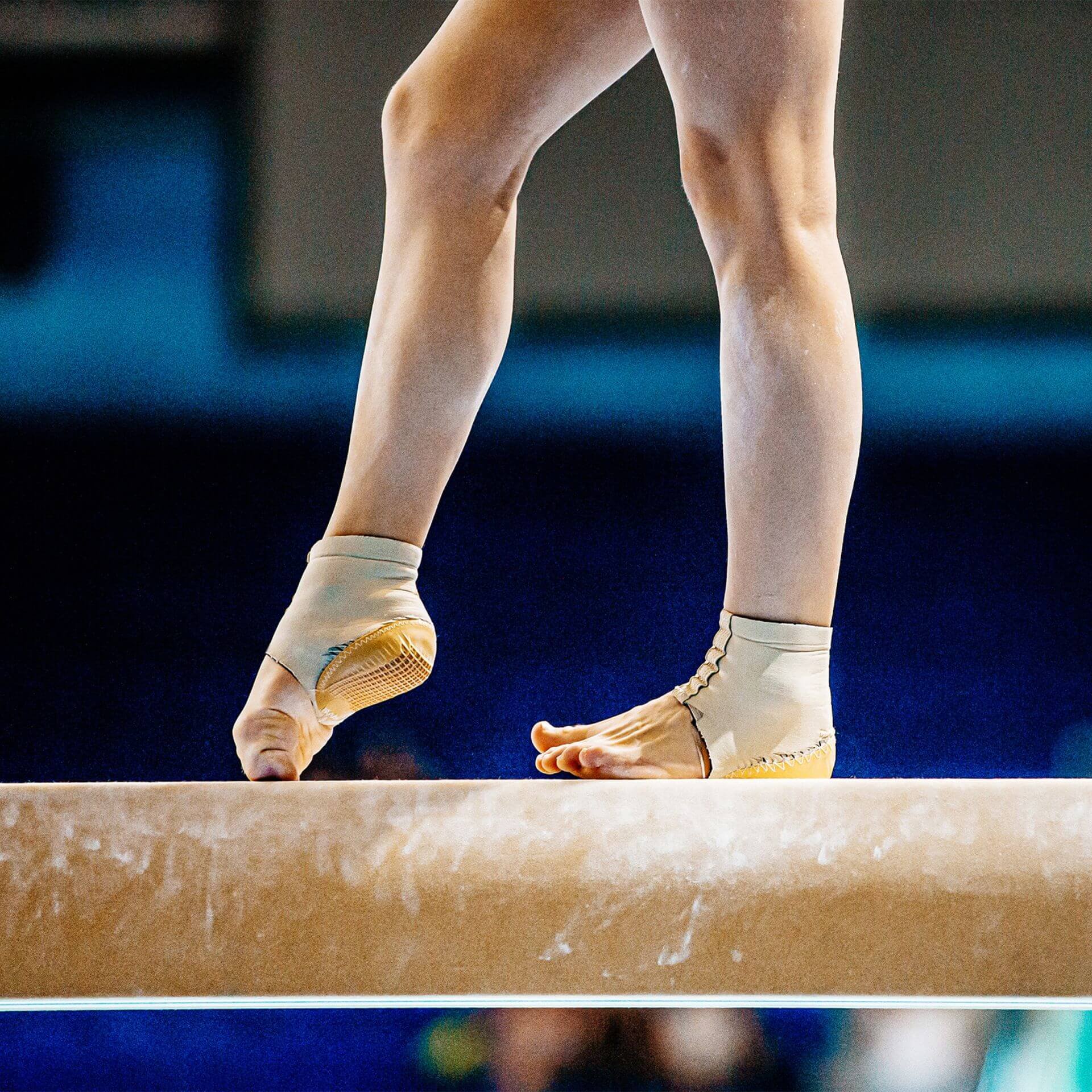
Dance, gymnastics, and other activities done on the balls of the feet
Repeated stress on the big toe joint during training
A previous big toe injury that didn’t fully heal
You don’t have to be a competitive athlete to sprain your big toe. A weekend workout, a run, or even an awkward step can bend the toe too far and cause symptoms.
Turf Toe Grades
Turf toe is classified by how much the supporting tissue is damaged:
Grade 1: The tissue is stretched, causing mild tenderness and swelling.
Grade 2: The tissue is partially torn, causing more swelling, bruising, and painful, limited movement.
Grade 3: The tissue is fully torn, causing significant pain, swelling, and difficulty bearing weight.
Your grade helps guide your treatment plan and how long recovery takes.
Symptoms You Should Watch For
Symptoms You Should Watch For
Symptoms of turf toe may develop suddenly after an awkward landing or build gradually with repeated stress. Pain usually affects the base of the big toe, particularly when pushing off during walking or running.
Common symptoms include:
Tenderness around the joint
Swelling or bruising
Stiffness or limited movement
Difficulty pushing off the ground
A feeling of weakness or instability
A sudden injury may cause a popping sensation. Stop activities that increase discomfort rather than trying to finish practice or a workout. You should seek immediate evaluation if pain is severe or you can’t bear weight.
Dr. Kevin Valvano, DO, FAOASM, will review how the injury happened and examine your foot. Imaging may help identify a fracture or assess damage to the supporting tissues.
Your exam also checks how stable the joint is, how far your big toe can bend, and how much strength you have when pushing off. Dr. Valvano will ask about your shoes and playing surface too, which helps explain why the injury happened and how to keep it from happening again.
Because several conditions can cause pain at the base of the big toe, Dr. Valvano also looks for other possible sources, such as a fracture, irritation of the small bones beneath the joint (sesamoiditis), arthritis-related stiffness (hallux rigidus), or gout.
For children and teens, the exam also considers the growing bones of the foot, since a growth plate injury can cause similar pain.
How It's Treated
Turf toe treatment depends on the severity of the sprain and how it affects walking. More severe tears occasionally require surgery, but many injuries improve without it. Protecting the joint during healing is what’s most important, so avoid rushing back while symptoms persist.
Your care plan may include:
Rest from painful activities
Ice and elevation
Taping the injured area
Supportive, stiff-soled shoes or inserts
A walking boot for more significant injuries
Physical therapy to restore movement and strength
Discuss pain medication with your sports medicine specialist, especially if you’re a younger athlete or taking other medicines.
Your return to sports should follow your recovery, not the competition calendar. Dr. Valvano can assess movement, strength, and walking comfort before recommending a gradual progression toward running, jumping, and changing direction.
Recovery time
Recovery depends on the grade of your sprain. Mild sprains often improve within a few weeks, while more serious tears can take several months before you’re ready for full sports activity. Getting out of pain is only the first step. Rebuilding strength and push-off comfort helps keep the injury from returning.

Frequently Asked Questions
-
Healing time depends on how badly the joint is sprained. Mild sprains may settle within a few weeks with rest and protection, while more severe tears can take several months, and some require surgery. Returning to sports too early raises the risk of a longer recovery or lasting stiffness.
-
Many people can walk with a mild sprain, though pushing off may hurt. Playing through turf toe is a different matter: continuing to sprint, jump, or cut on an injured joint can turn a mild sprain into a more serious one. If you can’t bear weight or the pain is severe, get evaluated right away.
-
No. Turf toe is a sprain of the ligaments and soft tissue that support the big toe joint, while a broken toe is a fracture of the bone. The two can cause similar pain and swelling and sometimes happen together, which is why an exam and, when needed, imaging are important.
-
Schedule a visit if big toe pain lasts more than a few days, keeps you from pushing off normally, or returns every time you play. Seek prompt care if you felt a pop, can’t bear weight, or notice significant swelling or bruising.
-
Turf toe often returns when the joint hasn’t fully healed before you go back to sports, or when the factors behind the injury, such as flexible footwear or a hard playing surface, haven’t changed. Dr. Valvano focuses on a gradual return and on footwear or inserts that limit stress on the joint, so the injury is less likely to happen again.
Find a Turf Toe Doctor in Parsippany-Troy Hills, NJ
Pain from turf toe can keep you from practice, workouts, or everyday activities. Garden State Sports Medicine provides personalized, whole-person care that considers your symptoms, daily responsibilities, and activity goals. Dr. Kevin Valvano, DO, FAOASM, treats sprains and other musculoskeletal conditions, helping patients explore appropriate next steps.
Many patients come to us after trying to rest it off or being told to tape it and keep playing. Dr. Valvano brings evaluation, hands-on treatment, and a structured return-to-sport plan together, so you know when it’s safe to get back on the field.
Located at 3799 US-46, Suite 101, in Parsippany, NJ, our office offers a local option for Morris County residents, including families from Mountain Lakes, Denville, Boonton, and Boonton Township. To begin care that’s focused on getting back to the activities that matter most to you, call (862) 217-4355 or request an appointment online.