
Plantar Fasciitis & Heel Pain
Heel discomfort can turn a morning walk, practice, or family outing into a challenge. For active people of all ages, plantar fasciitis can make everyday movement painful. Understanding your symptoms and treatment options is an important first step toward getting back to the activities you enjoy in Parsippany, NJ, and throughout Morris County.
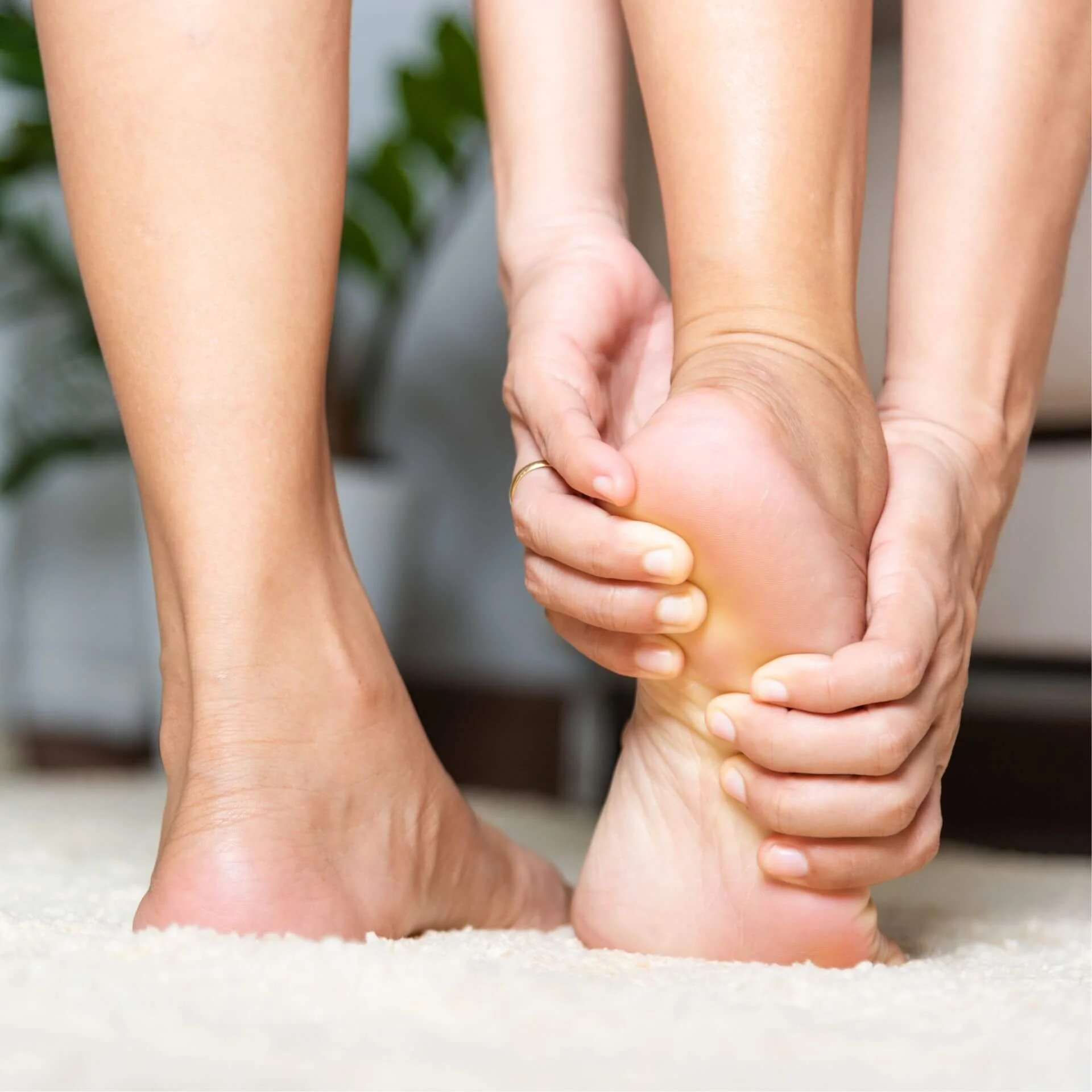
What Is Plantar Fasciitis?
The plantar fascia is a strong band of tissue along the bottom of your foot that connects your heel to your toes and supports your arch. When repeated stress irritates this tissue, pain can develop near its attachment to the heel bone.
Contributing factors may include:
High arches or flat feet
Tight calf muscles
Repetitive impact from exercise
Increased activity or training intensity
Extended time standing on hard surfaces
Pregnancy and the postpartum period
Running, dancing, and other repetitive activities can place extra demands on this tissue, but you don’t have to be a competitive athlete to develop symptoms. Spending extended periods standing, having tight calf muscles, or increasing activity levels can also contribute to symptoms.
Pregnancy can also raise your risk. Ligaments in the foot stretch during pregnancy and often don’t fully recover afterward, leaving you with less arch support and placing more strain on the plantar fascia.
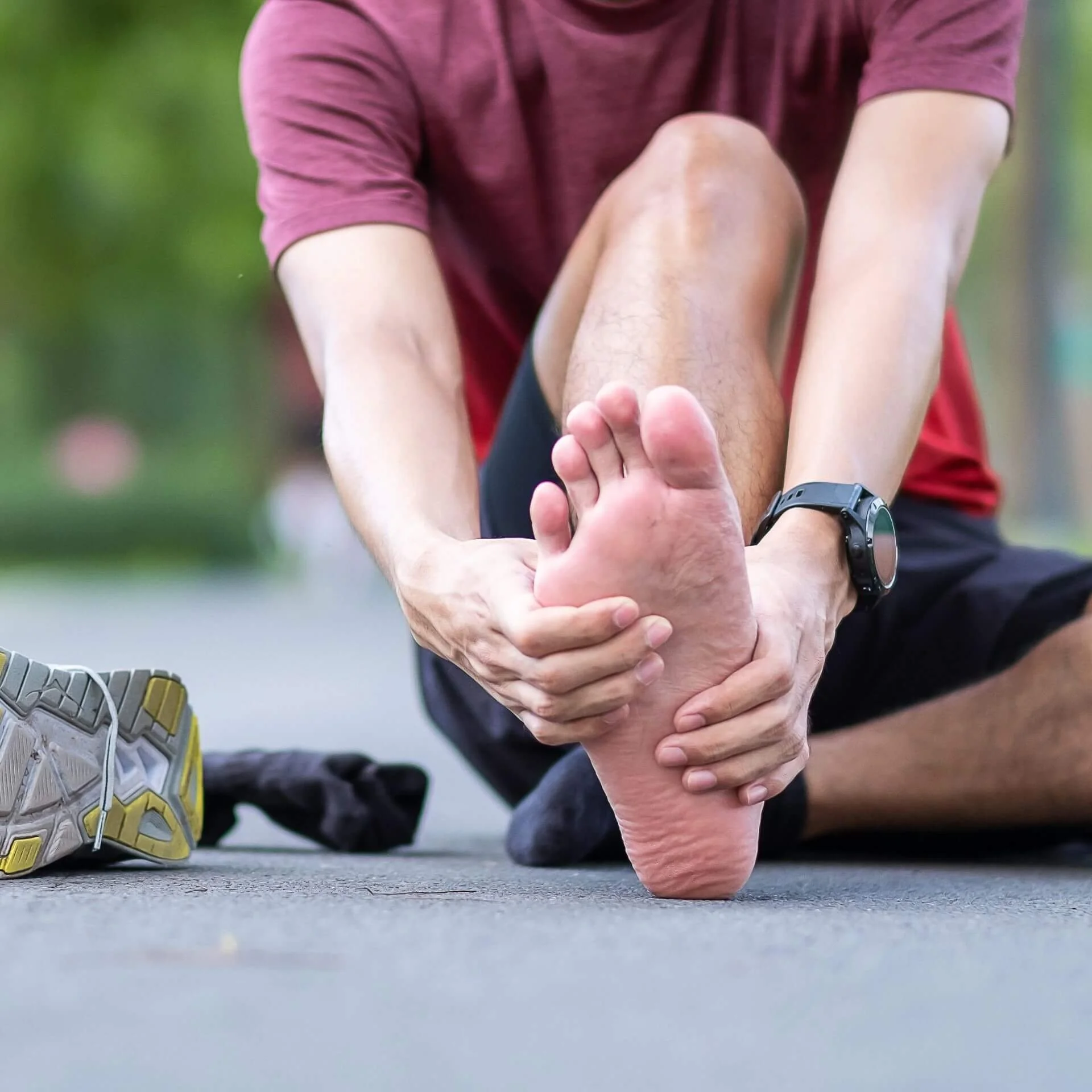
What Does Fascia-Related Heel Pain Feel Like?
Plantar fasciitis commonly causes pain underneath the heel, especially during your first steps after getting out of bed. Discomfort may also appear when you stand after sitting for a long time. Walking around might temporarily ease symptoms, but pain can return after exercise or prolonged activity.
You may notice symptoms such as:
Tenderness beneath your heel
Sharp discomfort with your first morning steps
Pain after exercise rather than during it
Increased discomfort after extended standing
Because several conditions can cause similar symptoms, a medical examination helps identify the source. This may involve reviewing your activity history, checking where your foot hurts, and assessing flexibility. Imaging isn’t always necessary but may help investigate another suspected cause.
Your exam also includes a look at your foot type. Understanding your foot mechanics helps explain why symptoms started and what will keep them from coming back. If you’re flat-footed, for example, your foot may overpronate. This causes your foot to roll inward as you walk, adding strain to the plantar fascia.
For children and teens with heel pain, Dr. Kevin Valvano, DO, FAOASM, also checks for Sever’s disease. This is an irritation of the growth plate at the back of the heel that can cause similar symptoms.
How It's Treated
Treatment for plantar fasciitis usually starts with nonsurgical care. Your plan may include temporarily reducing painful activities, stretching your calves and the bottom of your foot, and wearing supportive shoes. Swimming or cycling may provide alternatives to higher-impact workouts while symptoms improve.
Other options include:
Physical therapy
Night splints
Ice for symptom relief
Cushioned heel cups, shoe inserts, or custom orthotics
Pain medication for short-term relief when medically suitable
Plantar fascia injections, as a backup if other care isn’t enough
Recovery takes patience. While getting out of pain often happens quickly, keeping it from coming back usually takes about 6 to 9 months from start to finish. Dr. Valvano can help you adjust activity and progress gradually rather than immediately returning to your usual training volume.
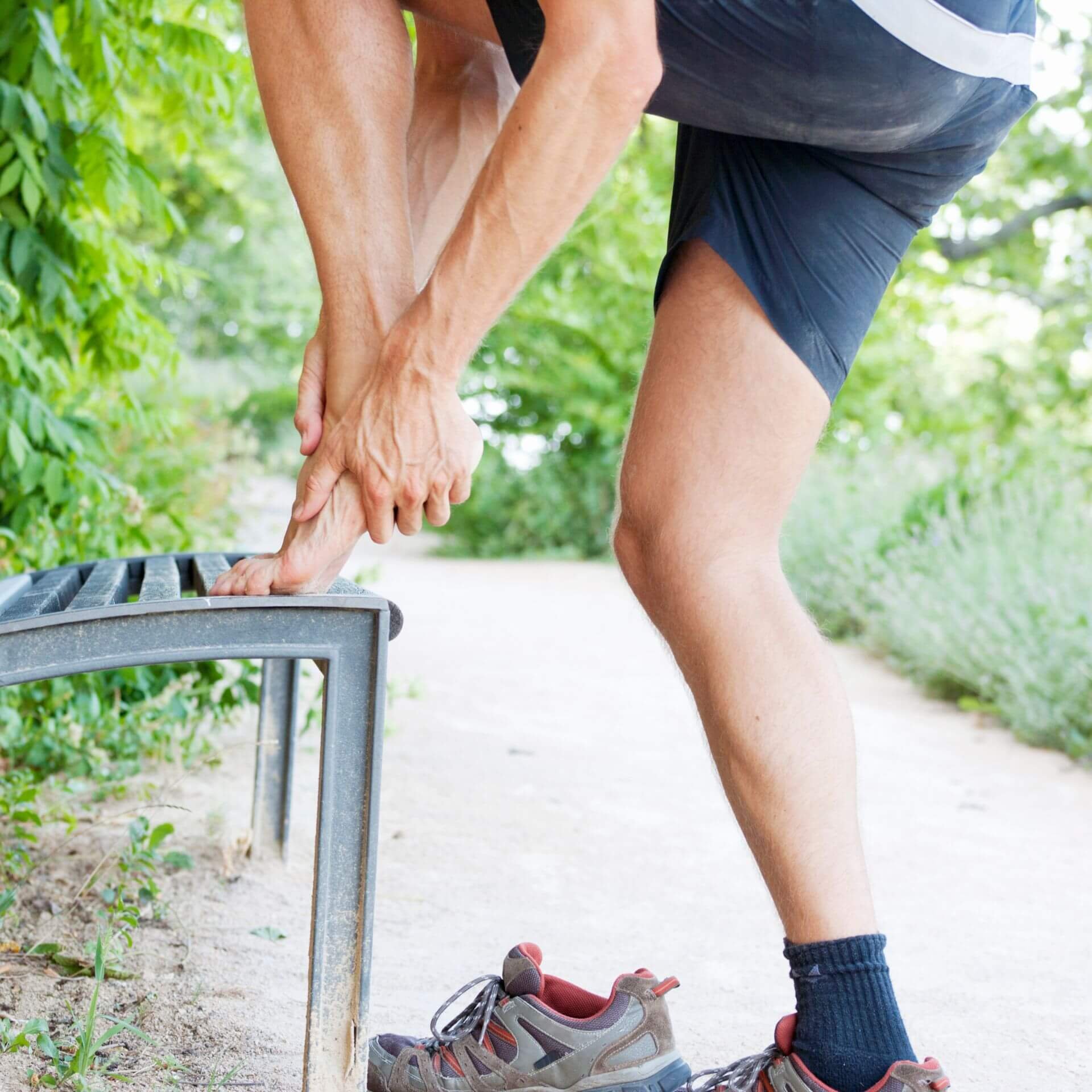
The Fascial Distortion Model
Dr. Valvano treats almost every plantar fasciitis patient with the Fascial Distortion Model (FDM), a hands-on approach used in osteopathic manipulative treatment (OMT). FDM targets the specific areas of fascia that are causing pain, with most patients becoming mostly or fully pain-free within 5 to 6 visits.
FDM relieves pain, but it’s not a long-term solution on its own. That’s why your plan continues with physical therapy, supportive footwear, and orthotics when your foot type calls for them.
Custom orthotics
If you’re flat-footed and your foot overpronates, orthotics are likely to help down the road. They’re not necessary for every patient, but custom orthotics are recommended when your foot type and symptoms call for them. They can be an essential part of your custom plan to keep pain from returning.
Frequently Asked Questions
-
Getting out of pain is usually the fast part. With FDM treatment, the majority of patients are mostly or fully pain-free within 5 to 6 visits. Keeping plantar fasciitis from coming back takes longer, usually about 6 to 9 months from start to finish, while physical therapy, footwear changes, and orthotics address the underlying cause.
-
Plantar fasciitis often returns because the underlying cause was never addressed. Pain medication and injections can calm symptoms for a while, but when they take the place of a full plan, the pain tends to come back and patients become frustrated.
Dr. Valvano focuses on why your heel hurts, including foot type, overpronation, and tight calves, so relief lasts. Plantar fascia injections are available as a backup. However, most patients don’t need them when following a complete plan.
Plantar Fasciitis Treatment in Parsippany-Troy Hills, NJ
Plantar fasciitis can make daily walks, workouts, and time with family uncomfortable. Garden State Sports Medicine is here to discuss your heel pain and provide a solution. Dr. Valvano provides a personalized, whole-person approach that considers your daily responsibilities and activity goals when developing your care plan.
Many patients come to us after multiple specialists and attempts at care. For example, one saw a podiatrist, another tried physical therapy, and another was fitted for orthotics, but none of them had a complete plan. Dr. Valvano brings those pieces together into one treatment plan that addresses the root cause of your heel pain, not only the pain itself.
Another came to us after years of heel pain and frustration with other providers. After two treatments, they were about 80% better, and they were pain-free after five. With orthotics to support their feet, they’re back to enjoying an active lifestyle.
Located at 3799 US-46, Suite 101, in Parsippany, NJ, our office serves Morris County residents, including those from Mountain Lakes, Denville, Boonton, and Boonton Township. Whether you want to return to running or move more comfortably throughout your day, call (862) 217-4355 to schedule a visit and discuss your next steps with our team.