
Sports-Related Concussion
A hard hit during a game or falling while playing basketball with your kids can affect more than your performance. Sports-related concussions can disrupt school, work, and everyday activities. For student-athletes and active adults in Morris County, NJ, recognizing symptoms and getting medical attention are important for protecting brain health and returning safely.
What Are Sports-Related Concussions?
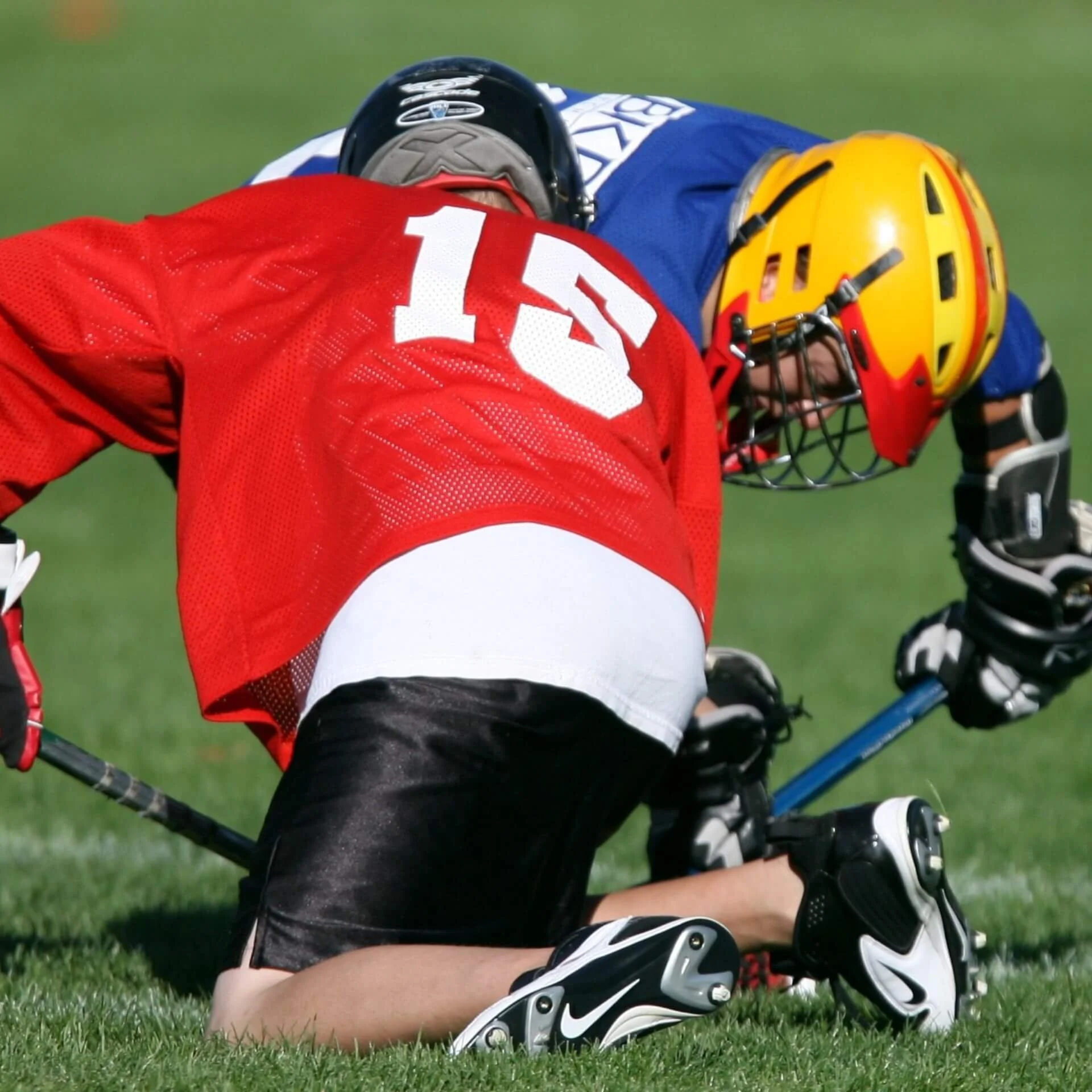
A concussion is a traumatic brain injury caused by a bump, blow, jolt, or hit to the head or body that moves the head rapidly. This movement can affect how the brain functions, regardless of whether you lose consciousness or not. These injuries can happen during:
Contact sports
Recreational activities
Sudden falls
Feeling well enough to finish a game does not mean continuing is safe. Rather than trying to push through symptoms, teen athletes, college competitors, and active adults should take any suspected concussion seriously.
Risk Factors and Contributors to a Longer Recovery
A history of previous concussions
Contact and collision sports, such as football, soccer, ice hockey, lacrosse, wrestling, and cheerleading
Younger age, since children and teens often take longer to recover
A history of migraines
Returning to play before symptoms have fully resolved
What Are the Symptoms of a Concussion?
Symptoms of sports-related concussions may include:
Headache or pressure in the head
Dizziness, nausea, or balance problems
Blurry vision or sensitivity to light and noise
Difficulty concentrating or remembering information
Feeling foggy, sluggish, or unusually irritable
Parents, teammates, and coaches may notice confusion, clumsiness, slow responses, or changes in behavior. Symptoms aren’t always immediately obvious, so report any concerns after an injury.
Stop playing immediately if you think you may have a concussion. Don’t return to the game that day, even if symptoms improve. A healthcare professional should evaluate the injury and determine when returning to activity is appropriate.
When to Seek Emergency Care
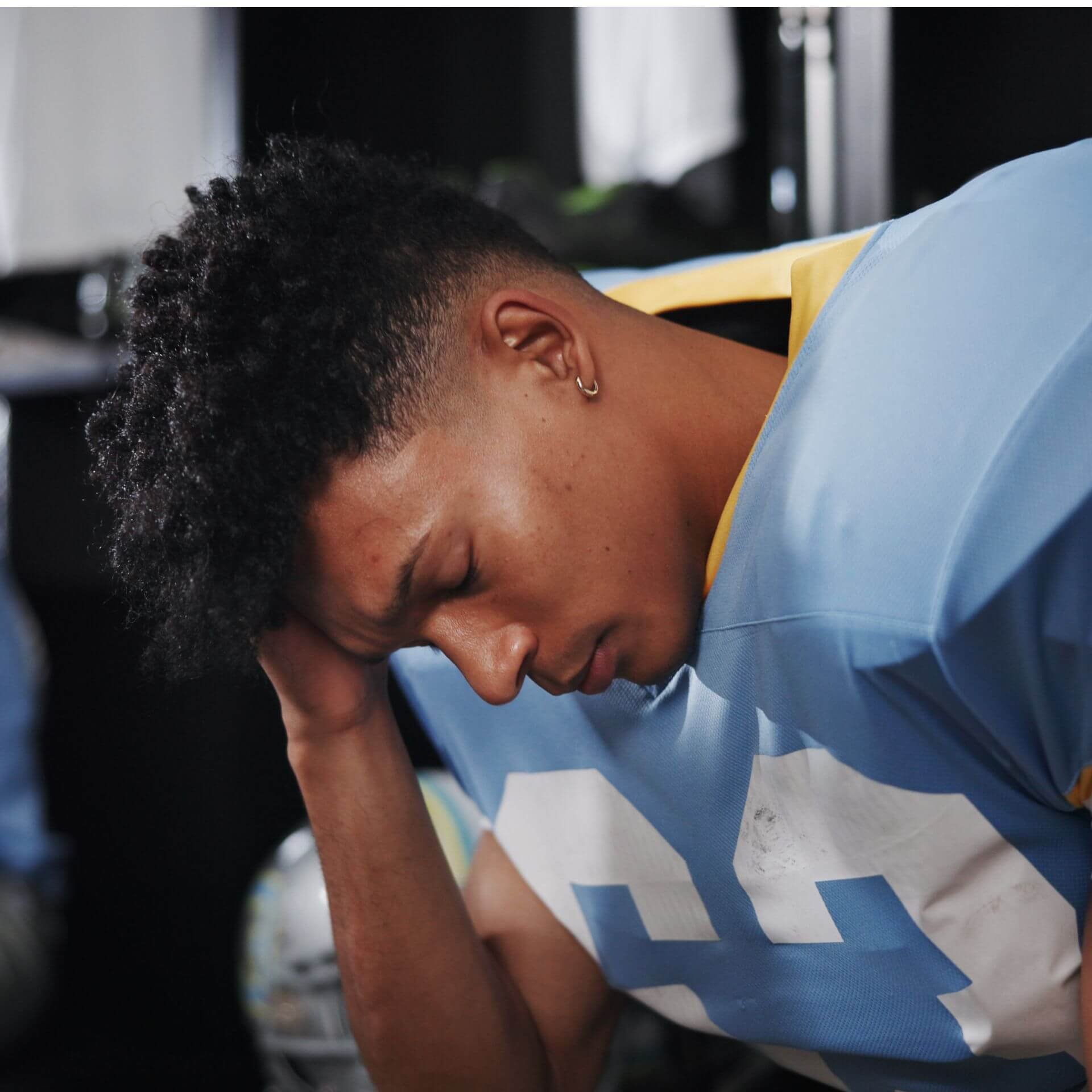
Call 911 or seek emergency care for a worsening headache, repeated vomiting, seizures, slurred speech, weakness, increasing confusion, or difficulty waking up. These warning signs can indicate a more serious injury.
How Is a Concussion Diagnosed?
Concussions usually don’t show up on X-rays, CT scans, or MRIs, so diagnosis relies on a careful hands-on exam. Dr. Kevin Valvano, DO, FAOASM, reviews how your head injury happened and the symptoms you’ve noticed since. He then checks your balance, vision, memory, and concentration.
Depending on your case, Dr. Valvano may use standardized assessment tools such as the:
Sport Concussion Assessment Tool (SCAT)
Sport Concussion Office Assessment Tool (SCOAT)
Vestibular/Ocular-Motor Screening (VOMS)
These tools don’t require a pre-injury baseline test, and the exam is tailored to uncover the specific issues behind your symptoms.
Imaging isn’t usually necessary, but it may be recommended if there are signs of a more serious injury. Your exam also looks at related problems, like neck pain or ongoing headaches, that can affect how you feel during recovery. Lingering symptoms are often caused by these secondary effects rather than the concussion itself, so identifying them early can lead to a faster recovery.
Concussion Treatment and Return to Play
Recovery requires balancing rest with a gradual return to everyday activities under medical guidance. Students may need temporary adjustments to schoolwork, while adults may need changes to work responsibilities. This is why it’s more important to discuss symptoms and activity limits with our team than focusing on a return date.
Recovery doesn’t have to mean simply waiting it out. Dr. Valvano uses modern, active approaches to help speed healing, such as guided aerobic exercise based on the Buffalo protocol, osteopathic manipulative treatment (OMT), home exercise, and early referral to physical or occupational therapy.
Recovery time still varies, so your plan is adjusted as you progress.
Rather than pressure from an upcoming competition schedule or a planned workout, your care plan should reflect your:
Symptoms
Daily demands
Recovery progress
Returning to sports involves a supervised progression, with each step typically taking at least 24 hours. If symptoms return, stop the activity and contact your doctor. Medical clearance helps guide a safer return to practices and competition.
Most people feel better within a few weeks, though recovery time varies from person to person. Children and teens often need more time than adults. If symptoms last longer than expected, a concussion doctor can look for factors that may be slowing your recovery and adjust your plan.
Many of our patients come to us after symptoms haven’t improved with earlier care. To address this, Dr. Valvano’s evaluations focus on finding what’s holding their recovery back.
Concussion Care for Student-Athletes
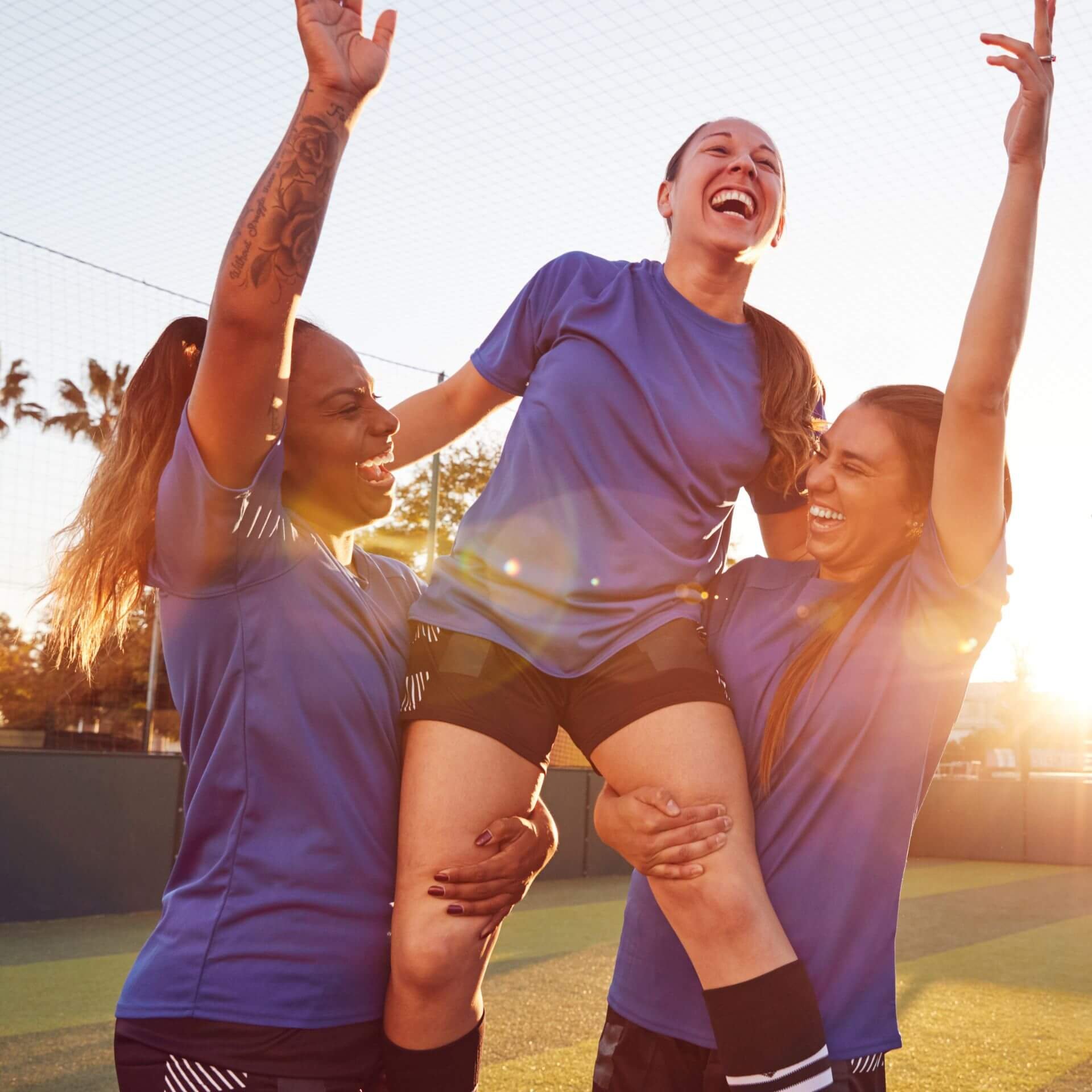
Children and teens can take longer to recover from a concussion than adults, and a second head injury before the brain has healed can be especially serious. That’s why student-athletes need careful monitoring and a gradual return to both the classroom and the field.
New Jersey law requires any student-athlete or cheerleader suspected of having a concussion to be removed from practice or competition right away. Before returning, the student must be:
Evaluated by a healthcare provider trained in concussion care
Receive written clearance from a physician trained in concussion evaluation and management
Be back to regular school activities without symptoms.
Return to play follows further care.
Dr. Valvano evaluates student-athletes after a head injury, helps coordinate temporary schoolwork adjustments, and guides each step of the return-to-play process. This includes written clearance when it’s safe to return. His care also looks beyond the concussion itself, identifying related issues that may be slowing a student’s return to the classroom and the field.
Frequently Asked Questions
-
Most people feel better within a few weeks, but every concussion is different. Children and teens often take longer to recover than adults. Following a supervised plan, rather than rushing back, gives your brain the best chance to heal fully.
-
You can begin a return-to-play progression once your symptoms have resolved and you’re back to normal school or work activities. Each step usually takes at least 24 hours, and you’ll move to the next step only if symptoms don’t return. In New Jersey, student-athletes also need written clearance from a physician trained in concussion care.
-
Usually not. Concussions affect how the brain functions and typically don’t show up on standard imaging. A CT scan or MRI may be recommended if there are warning signs of a more serious head injury, such as repeated vomiting, a worsening headache, or increasing confusion.
-
No. The assessment tools Dr. Valvano uses, such as SCAT, SCOAT, and VOMS, don’t require a preinjury baseline test. Whether or not you completed one through your school or team, you can still receive a thorough evaluation.
-
Some people have symptoms that last weeks or longer. Neck strain, vision or balance problems, poor sleep, and returning to activity too quickly can all slow recovery. Dr. Valvano takes a whole-person approach, looking at what’s keeping your symptoms going so your plan addresses the cause, not just the headache.
-
Yes. Concussion symptoms can be delayed for hours or even days after an injury. An evaluation helps confirm whether you have a concussion and when it’s safe to return to sports, school, and work.
Sports-Related Concussion Care in Parsippany, NJ
Concerned about sports-related concussions? Contact Garden State Sports Medicine to discuss your symptoms and arrange an appointment. Dr. Kevin Valvano, DO, FAOASM, takes a personalized, whole-person approach, considering your concerns and activity goals when planning care.
Whether you’re managing school, training, work, or family responsibilities, start with a conversation about your needs by calling (862) 217-4355 or request an appointment online. Located at 3799 US-46, Suite 101, in Parsippany, NJ, we provide options for Morris County residents, including families in Mountain Lakes, Denville, Boonton, and Boonton Township.