
Cervical Pain & Neck Pain
Neck discomfort can make practices, classes, workouts, and everyday responsibilities harder to manage. For active adults, college athletes, and teens in Parsippany, NJ, and throughout Morris County, cervical pain may follow an injury or develop gradually. Knowing the signs can help you recognize when to seek care and take steps toward returning safely to activity.

What Is Cervical Pain?
The cervical spine is the portion of your spine within your neck. It supports your head while allowing you to:
Turn
Bend
Look around
When injured or irritated, the muscles, ligaments, joints, discs, and nerves in this area can contribute to discomfort.
What Causes Cervical Pain?
Common causes include:
Muscle strains from overuse or sustained positions
Ligament sprains following sudden movements
Sports collisions, falls, or other injuries
Disc problems that irritate nearby nerves
Age-related changes affecting spinal discs and joints
A strained muscle and an irritated nerve may require different approaches. An evaluation with Dr. Kevin Valvano, DO, FAOASM, helps identify the likely source rather than relying on symptoms alone.
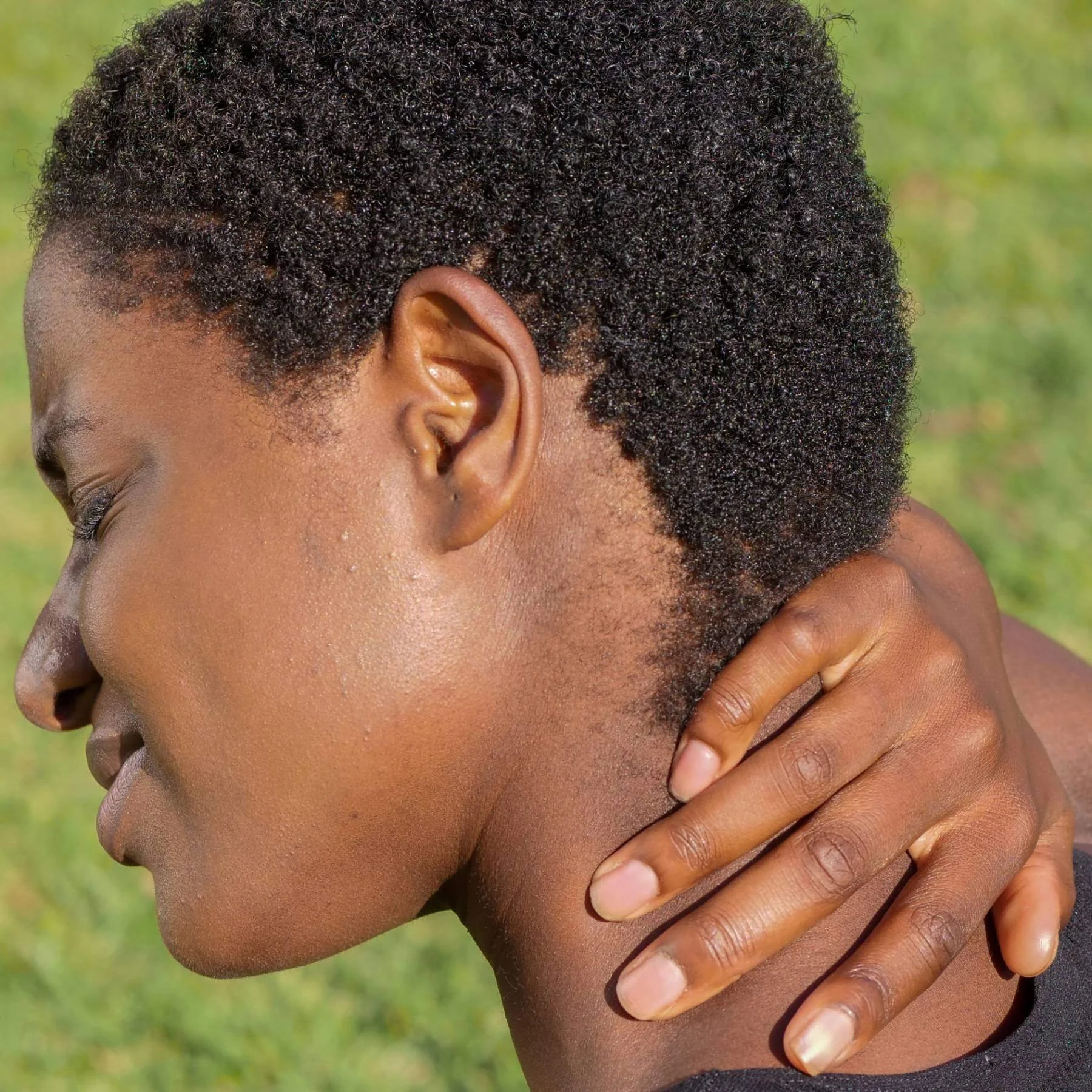
What Does Cervical Pain Feel Like?
Symptoms depend on the structures involved and the severity of the problem. You might notice:
Aching, tightness, or muscle spasms
Stiffness when turning your head
Pain extending toward the shoulders
Headaches accompanying neck discomfort
Tingling, numbness, or weakness in an arm
Do not continue playing through these warning signs.
Discomfort may worsen when holding your head in one position, including while studying, driving, or using a computer. For the best possible care, tell your provider when symptoms started, whether an injury occurred, and which movements make them worse.
Seek emergency care for severe neck pain after a collision, fall, or other traumatic injury. New limb weakness, trouble walking, or severe neck pain with a high fever also requires emergency attention.
How Are Neck Problems Evaluated and Treated?
Dr. Kevin Valvano starts with a detailed history, exam, and workup to find the root cause of your pain. He will review your symptoms, medical history, and activity demands, as well as examine your neck.
Testing may assess movement, tenderness, strength, and sensation. Imaging may be appropriate depending on the injury, examination findings, and persistence of symptoms, but not every episode requires a scan.
Dr. Valvano treats the patient, not the MRI. A herniated disc on a scan doesn’t always mean that disc is causing your pain, and he sees many patients who had an injection or surgery and still have the same pain. Finding the true source first helps you avoid that outcome.
He’ll review an MRI with you if you have one. This will be used along with drawings and in-office spine models to explain what is going on.
Your exam also looks at why your neck hurts. Posture, long hours at a desk or on a phone, sport-specific mechanics, and strength in your shoulders and upper back can all add strain to the cervical spine. Understanding these factors helps explain why symptoms started and what will keep them from coming back.
For teens and young athletes, he also checks for cervical radiculopathy (an irritated nerve root) and referred pain patterns. This is where pain felt in one area starts somewhere else.
A “stinger” or “burner,” a brief nerve injury that causes burning or tingling down one arm after a hit or fall, typically clears within minutes, so there is usually nothing left to find by the time of an office visit. Symptoms that linger or keep coming back point to a different problem, which is what the exam looks for.
Avoid forcing stretches or returning to contact sports before an injury has been assessed. Be sure to tell your doctor about persistent pain, spreading symptoms, or limitations that interfere with sleep, school, or work. Your recovery plan should reflect your examination findings and response to treatment, rather than an upcoming competition date or workout schedule.
Recovery isn’t a sprint, and it starts with getting the diagnosis right. Once the root cause is clear, most patients improve within about a month and reach complete resolution in about three months. Getting out of pain is often the easy part. Keeping it from coming back takes a plan that addresses posture, strength, and movement habits.
Dr. Valvano can help you progress gradually rather than jumping straight back to your usual training volume.
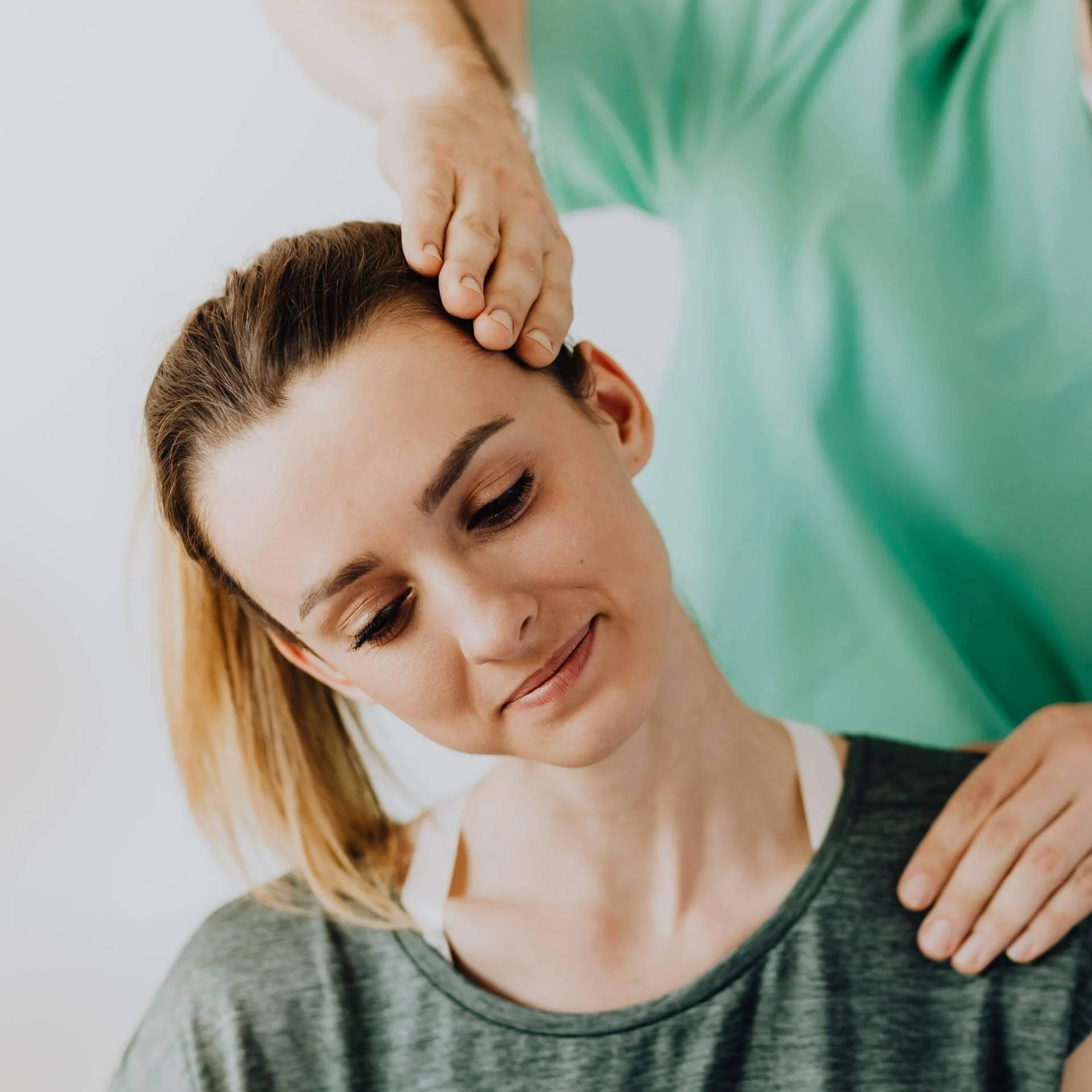
Treatment depends on the cause and may include:
Temporarily modifying activities that increase discomfort
Using ice or heat as directed
Taking appropriate medication under medical guidance
Completing physical therapy to improve strength and mobility
Dr. Valvano will walk you through your treatment options. He works through conservative care first and recommends an injection or surgery only when he is confident it targets the actual source of your pain.
Frequently Asked Questions
-
It depends on getting the diagnosis right early. Many patients spend too long on a treatment plan that doesn't match the cause of their pain. Once Dr. Valvano identifies the root cause, most patients notice improvement within about a month and complete resolution within about three months. Physical therapy and changes to your routine then help keep the pain from coming back.
-
Neck pain often returns because the underlying cause was never addressed. Medication, heat, or rest can calm symptoms for a while, but if posture, muscle imbalances, or sport mechanics stay the same, the pain tends to come back. Dr. Valvano focuses on why your neck hurts so relief lasts, combining hands-on treatment with physical therapy and practical changes to your routine.
-
Schedule a visit if neck pain lasts more than a week or two, keeps coming back, interferes with sleep, school, or work, or spreads into your shoulder or arm. Seek emergency care right away for severe neck pain after a collision or fall, new weakness in your arms or legs, trouble walking, or severe neck pain with a high fever.
-
Not always. Most neck pain comes from strained muscles or irritated joints. A pinched nerve, also called cervical radiculopathy, usually causes symptoms that travel into the shoulder, arm, or hand, such as tingling, numbness, or weakness. An exam that checks strength, sensation, and reflexes helps tell the difference and guides the right treatment.
Cervical Pain Treatment in Parsippany-Troy Hills, NJ
Garden State Sports Medicine provides personalized, whole-person care for people working toward an active lifestyle. Dr. Kevin Valvano listens to your concerns, daily responsibilities, and long-term goals. This helps shape a treatment plan focused on relieving pain and restoring strength.
Whether you are balancing school, college athletics, recreational exercise, or family activities, start with a conversation about what is holding you back. Call (862) 217-4355 or request an appointment online.
We’re located at 3799 US-46, Suite 101, in Parsippany, NJ. Our office offers a central location in Morris County for patients from Mountain Lakes, Denville, Boonton, and Boonton Township who want support getting back to the activities they enjoy most.