
Hip Labral Tear & Groin Pain
Hip pain during practice, workouts, or everyday movement can keep you from doing what you love. A hip labral tear can affect athletes of all ages. For active folks across Morris County, NJ, understanding symptoms and treatment options is an important step toward getting back to comfortable movement.
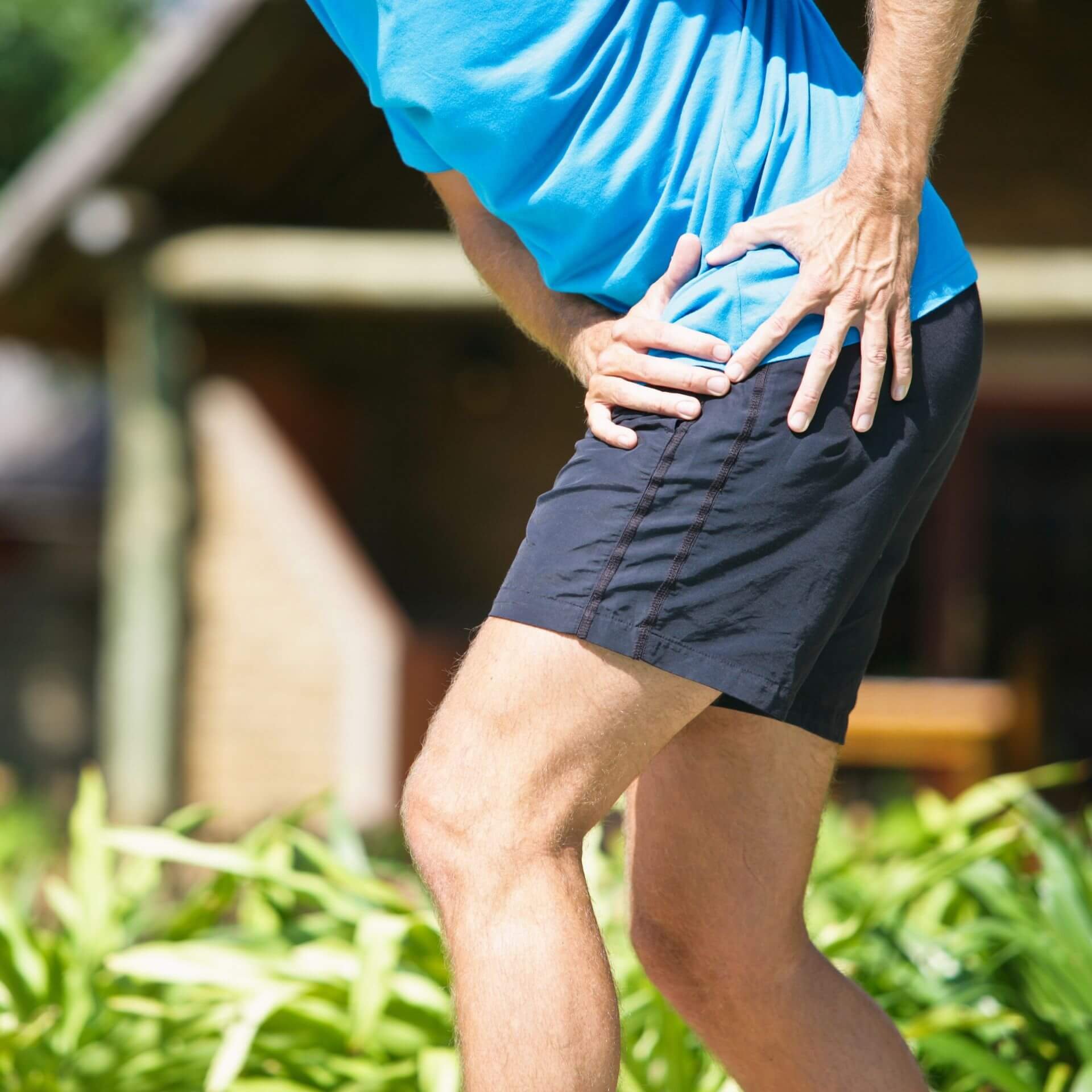
What Is a Hip Labral Tear?
The labrum is a ring of cartilage around the rim of your hip socket that helps stabilize the joint and supports smooth movement. Not every tear causes noticeable symptoms, but when it tears, certain activities can become painful or difficult.
An injury may happen during a sudden:
Twist
Pivot
Collision
Repeated movements during sports can also contribute to the condition.
Hip shape also plays a role. Femoroacetabular impingement (FAI), where the ball and socket don’t fit together smoothly, and hip dysplasia, a shallow socket, both place extra stress on the labrum. Sports that involve deep hip bending and rotation, such as soccer, hockey, dance, golf, and running, can raise your risk.

What Does a Hip Labral Tear Feel Like?
Labral tear pain is usually felt deep in the front of the hip or groin. Many people notice it when they get out of a car, sit for long periods, put on shoes, or pivot during sports. You may also feel a click or catch, or as if the hip briefly “gives.”
A hip labral tear can cause discomfort that interferes with training, classes, work, or recreation, resulting in:
Pain in the hip or groin
Clicking, catching, or locking during movement
Stiffness or reduced flexibility
A feeling that the hip is unstable
Pain with bending, twisting, or exercise
Symptoms can overlap with other hip problems, so pain alone can’t confirm the cause. Persistent discomfort deserves an evaluation rather than repeated attempts to play through it. Young athletes and weekend warriors alike should report pain that changes how they run, walk, or participate.
How is a Hib Labral Tear Diagnosed?
Dr. Kevin Valvano, DO, FAOASM, begins with a comprehensive history of your symptoms, sport, and past injuries. This is followed by a detailed exam of your hip’s mobility, strength, and function.
When needed, imaging helps pinpoint the exact issue. X-rays show bone shape, including signs of FAI or dysplasia. An MRI looks at the labrum and soft tissue, and in-office ultrasound checks nearby tendons that can cause similar pain.
Dr. Valvano then walks you through the results, the root cause of your pain, and a treatment plan built to address it.
Is it a labral tear or hip bursitis?
Hip pain is easy to mislabel. Pain on the outside of the hip is often called bursitis, but Dr. Valvano finds that true bursitis is rarely the real cause. More often, the problem is a weak or irritated gluteal tendon, and sometimes a tendon tear.
Using in-office ultrasound along with MRI, Dr. Valvano can tell whether your pain comes from the labrum, the tendons on the outside of the hip, or both. This ensures that your treatment targets the real problem
How It's Treated
Treatment depends on your symptoms, goals, and examination findings. Nonsurgical options may include:
Adjusting activities that trigger pain
Physical therapy to improve hip strength and stability
Pain medication when appropriate for your health and age
Selective injections, including platelet-rich plasma (PRP), when appropriate
These approaches may reduce symptoms without repairing the torn tissue. If pain continues despite nonsurgical care, a surgical consultation may be appropriate.
Recovery takes time. Most patients notice improvement within the first month of starting a complete plan, and the full course of care typically takes about three months. Returning to sports should follow an individualized plan, not a deadline.
Your care should reflect your specific activity needs. Dr. Valvano can help assess readiness as your symptoms, movement, and strength improve.
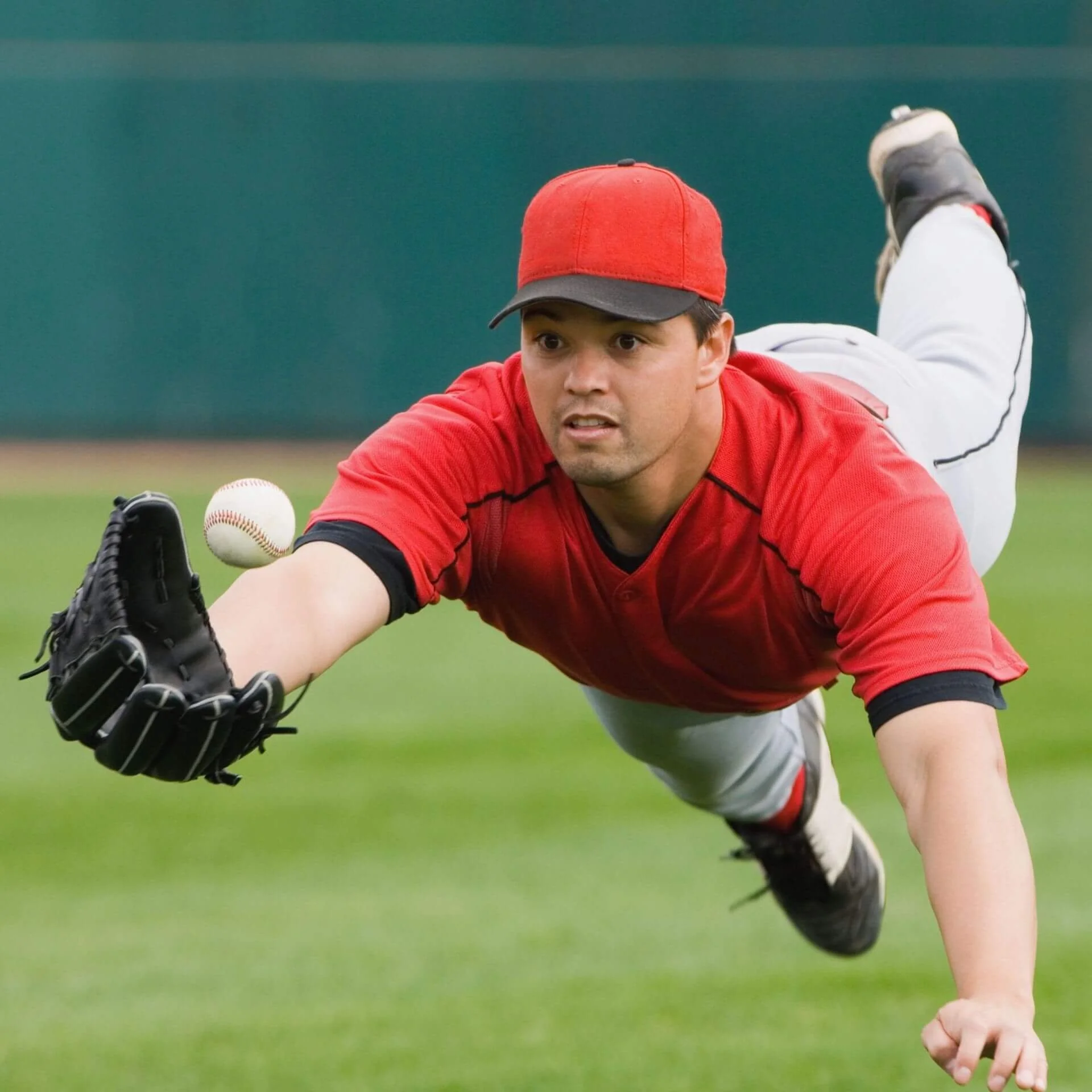
Physical Therapy Comes First
For most patients, treatment starts with physical therapy rather than an injection. A program that strengthens your core, glutes, and legs supports the hip joint and reduces strain on the labrum. Pain relief alone isn’t the goal. Building strength around the hip is what helps keep pain from coming back.
A Smarter Approach to Injections
Many patients arrive after repeated cortisone shots that helped for a while but never fixed the problem. Steroid injections can ease pain in the short term, but if used repeatedly, they can weaken tissue.
Dr. Valvano performs hip injections himself in the office, and the hip is one of the areas he treats most often. He uses injections selectively and, when appropriate, offers platelet-rich plasma (PRP) to calm inflammation and support tissue healing.
Frequently Asked Questions
-
Torn labral tissue has limited ability to heal itself, but many people become comfortable and active again with physical therapy and a focused plan. Surgery is considered when symptoms continue despite complete nonsurgical care.
-
A cortisone shot may calm pain for a while, but it doesn’t fix the cause, and repeated injections can weaken tissue. Dr. Valvano first confirms the source of your pain, then builds a plan around strengthening, using PRP when appropriate.
-
Labral tears usually cause deep front-of-hip or groin pain with clicking or catching. Pain on the outside of the hip, especially when lying on that side, often points to a gluteal tendon problem. An exam, ultrasound, and MRI tell them apart.
-
Recovery depends on the tear, your activity level, and how consistently you follow your plan. Most patients notice improvement within the first month of starting physical therapy and a complete treatment plan, and the full course of care typically takes about three months.
Find Treatment for Labral Tears of the Hip Joint in Parsippany-Troy Hills, NJ
A hip labral tear shouldn’t define your season or daily routine. At Garden State Sports Medicine, Dr. Kevin Valvano, DO, FAOASM, offers personalized, whole-person care that considers your:
Concerns
Activity goals
Responsibilities
Whatever your goals may be, recovery starts with a conversation about your symptoms.
Take the next step toward understanding your hip pain and discussing a treatment plan tailored to you. Call (862) 217-4355 or request an appointment online. We’re located at 3799 US-46, Suite 101, in Parsippany, making us ideal for Morris County residents, including families from Mountain Lakes, Denville, Boonton, and Boonton Township.